
Mouth Breathing
Are You Just Breathing, or Are You Breathing Right?
How You Breathe Matters More Than You Think.
Our nose is made for breathing and our mouth is made for eating
Your nose is designed for breathing. Nasal breathing filters, warms, and humidifies the air while supporting proper oxygen intake, airway health, and facial development. When breathing shifts to the mouth, it can contribute to sleep issues, dry mouth, airway irritation, and long-term oral health concerns.
With mouth breathing our tongue is typically on the floor of our mouth and not on the roof as it should be. This leads to teeth that lean in, high and narrow roof of mouth, and higher chance of needing orthodontics.

What the nose actually does
Your nose was designed to be your primary breathing system. When you breathe through your nose, the air is filtered, warmed, and humidified before it reaches your lungs. Tiny hairs and mucus inside the nose trap dust, allergens, and pollutants so they don’t travel deeper into the airway. You will never think of your boogers in the same way again knowing the good they are doing.
Nasal breathing also helps regulate airflow, supports proper oxygen exchange, and stimulates the release of nitric oxide, which improves circulation and immune defense and many other important factors we want to happen. Nitric oxide has been a trending topic and this is one way we can get more of it, nasal breathing. When breathing shifts to the mouth instead, this natural filtration and regulation system is bypassed, often leading to dry mouth, disrupted sleep, airway irritation, and changes in facial and oral muscle function over time.
Signs You May Be Mouth Breathing
Signs of chronic mouth breathing can appear both during the day and while sleeping. Common symptoms include snoring, waking with a dry mouth, bad breath, drooling during sleep, frequent thirst at night, and an open-mouth resting posture. Some people also experience poor sleep quality, fatigue, or difficulty concentrating. In children, mouth breathing may be linked to restless sleep, bedwetting, dark circles under the eyes, and changes in facial growth or dental alignment. Recognizing the signs of mouth breathing is the first step in addressing the underlying breathing pattern and supporting healthier nasal breathing.
- Frequent dry mouth or needing to sip water often
- Bad breath despite brushing
- Lips naturally rest open when you are relaxed
- Poor sleep and daytime tiredless
- Difficulty focusing
If you recognize several of these signs in yourself, an evaluation can help determine whether mouth breathing is affecting airway health, sleep, and oral function.
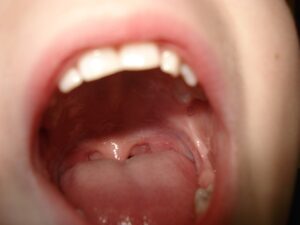
Health Effects of Chronic Mouth Breathing
The primary source for breathing should be our nose. When our mouth takes over this job, it can cause a lot of health issues to follow. Chronic mouth breathing can affect sleep, oral health, and overall airway function.
Because the mouth bypasses the nose’s natural filtration and humidification system, the tissues of the mouth and throat often become dry and irritated. This can increase the risk of cavities, gum inflammation, bad breath, and throat discomfort. Mouth breathing is also commonly associated with snoring and poor sleep quality, which can lead to daytime fatigue and difficulty concentrating.
Mouth Breathing in Children
In children, mouth breathing may be linked to restless sleep, bedwetting, dark circles under the eyes, and changes in facial growth or dental alignment. It can also show up as behaviors that are sometimes mistaken for ADD or attention challenges. Children who breathe through their mouth often have difficulty sitting still, focusing, and staying alert throughout the day due to poor sleep quality and disrupted breathing patterns. Recognizing the signs of mouth breathing is the first step in identifying the underlying breathing pattern and supporting healthier nasal breathing.
Chronic mouth breathing in children is often overlooked, even though it can significantly impact sleep quality, behavior, and facial development. When identified early, myofunctional therapy can help retrain breathing patterns and support healthy nasal breathing before long-term problems develop.
- Increased cavities
- ADHD-type symptoms
- Poor sleep
- Frequently sick
- Bad breath
- Bed Wetting
- Snoring

How Myofunctional Therapy Helps
Myofunctional therapy focuses on retraining the muscles of the tongue, lips, cheeks, and airway to support healthy nasal breathing and proper oral function. Through targeted exercises and habit training, myofunctional therapy helps strengthen the muscles that keep the lips closed, the tongue resting on the roof of the mouth, and the airway supported during breathing and sleep. This improved muscle coordination can help reduce mouth breathing patterns and encourage consistent nasal breathing throughout the day and night.
By correcting these oral muscle patterns, myofunctional therapy can also support better sleep quality, improved oral health, and healthier facial and jaw development in children. Addressing mouth breathing at the muscle and habit level helps create long-term changes that support proper breathing, swallowing, and resting oral posture.
Schedule your 15 minute complimentary consultation now
In person assessments are done at Soteria Wellness in Appleton WI to create your custom mapped plan